Understanding Pastoral Counseling: Frequently Asked Questions


What is Pastoral Counseling?
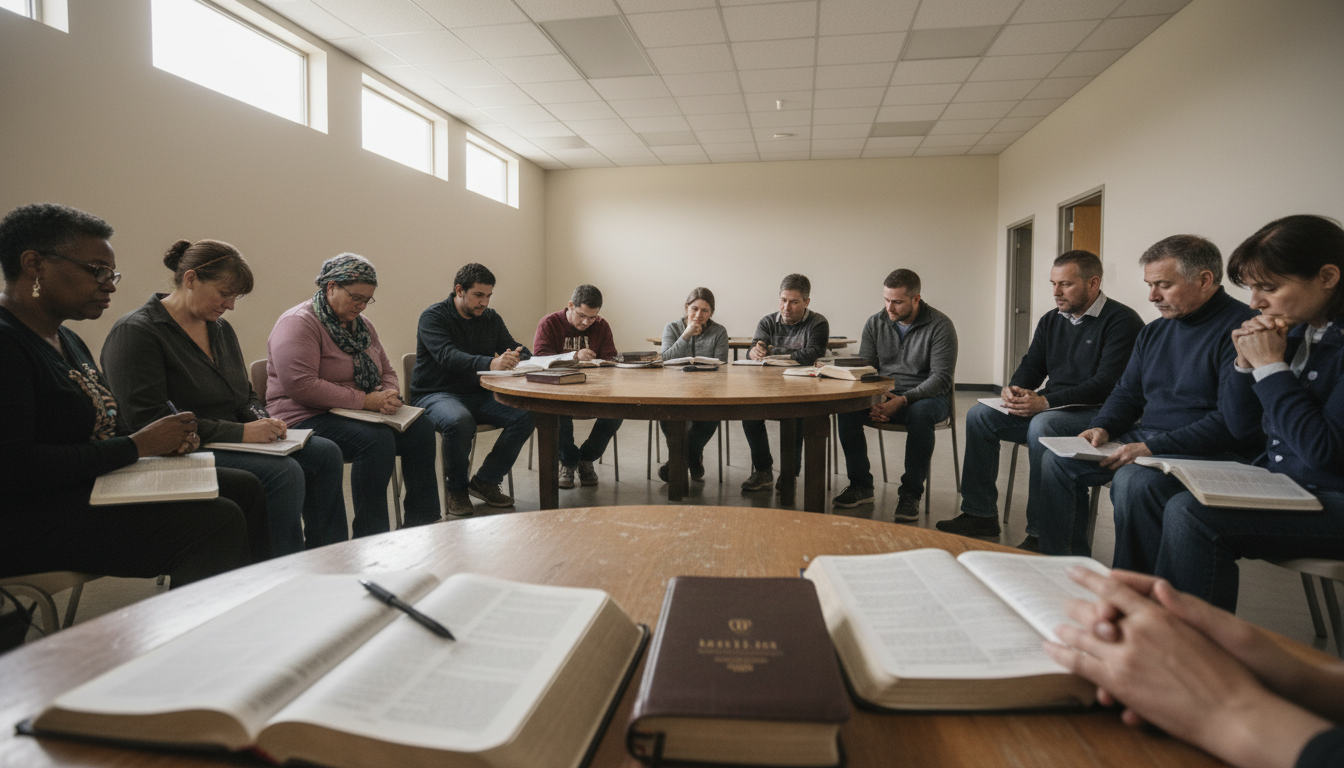
Pastoral counseling is a unique form of therapy that combines psychological understanding with spiritual guidance. It is often conducted by clergy members or individuals with religious training who also have expertise in mental health. This approach can provide a more holistic form of healing by addressing both emotional and spiritual needs.
Unlike traditional counseling, pastoral counseling often incorporates religious or spiritual beliefs as a central component of the therapy process. This can be especially beneficial for individuals seeking support within the context of their faith.
Who Can Benefit from Pastoral Counseling?
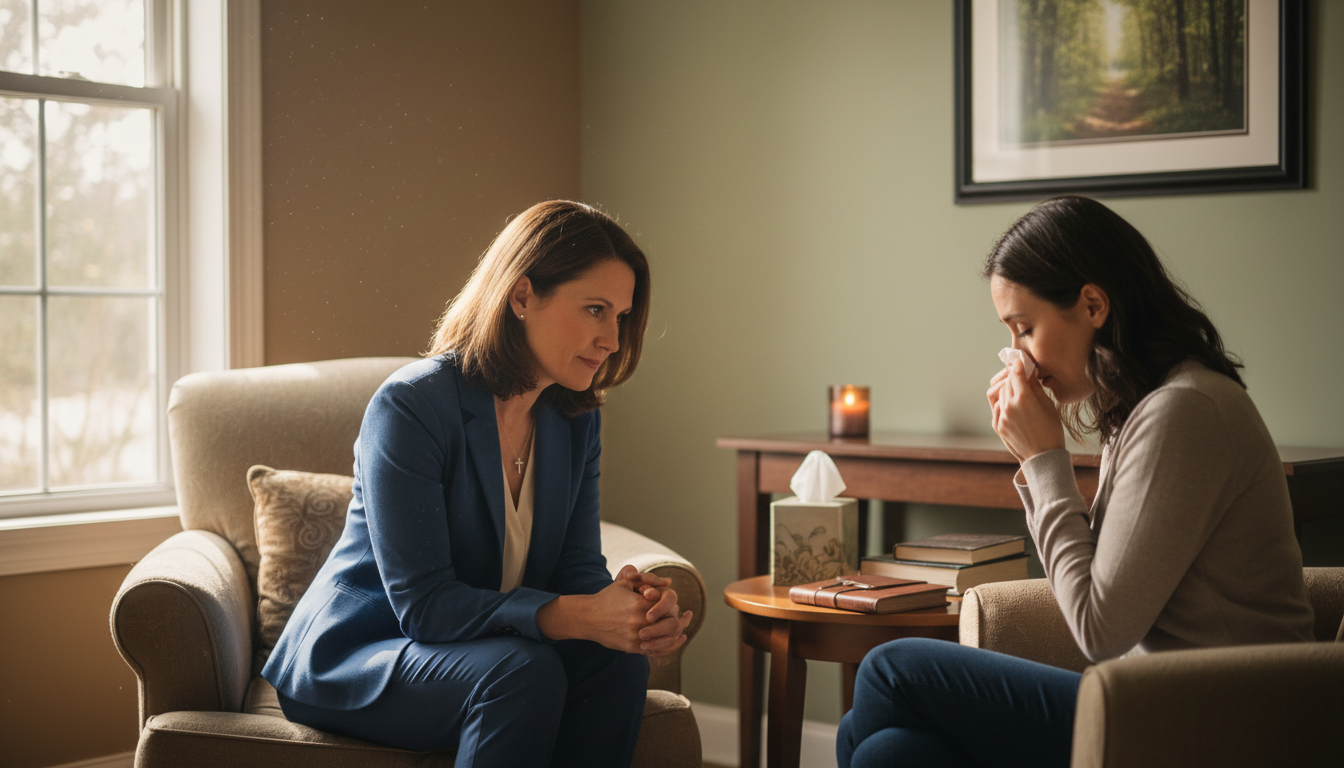
Pastoral counseling can be beneficial for anyone seeking guidance, but it is particularly effective for individuals who want their spiritual beliefs to be a part of their therapeutic journey. It can help with issues like grief, marital problems, depression, anxiety, and existential questions.
Many people find comfort in discussing their issues with someone who understands their faith and can provide insights that align with their beliefs. Those looking for a faith-based approach to mental health often find pastoral counseling to be an ideal fit.
How Does Pastoral Counseling Differ from Traditional Therapy?
The main distinction between pastoral counseling and traditional therapy lies in the integration of spirituality. While traditional therapy may focus solely on psychological aspects, pastoral counseling incorporates spiritual teachings and practices. This can include prayer, scripture, and other religious rituals.
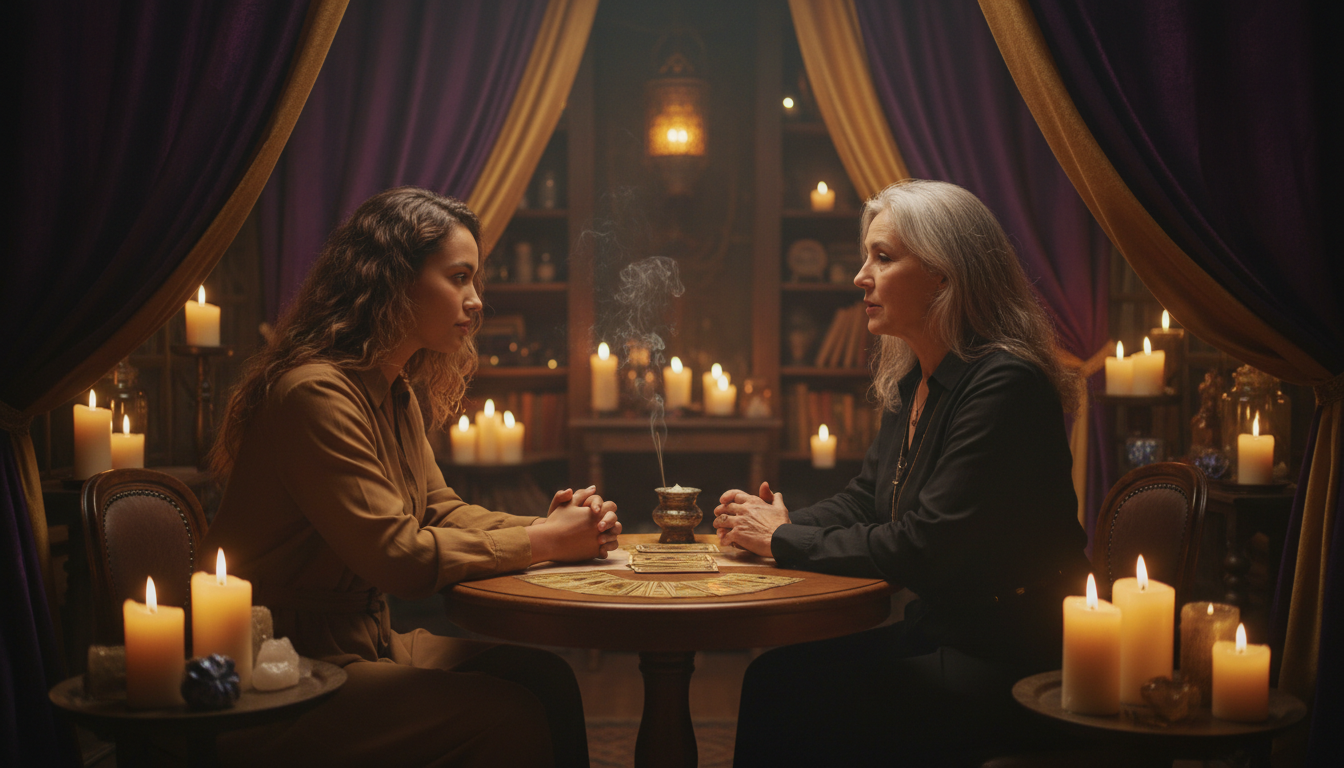
Pastoral counselors are trained to understand both theology and psychology, providing a well-rounded approach to addressing mental health issues. This dual expertise allows them to offer support that is deeply rooted in an understanding of the human experience from both a psychological and spiritual perspective.
What Qualifications Do Pastoral Counselors Have?
Pastoral counselors typically have a combination of theological education and training in mental health counseling. Many hold degrees in divinity or theology, as well as certifications in counseling. This unique blend of qualifications enables them to address both spiritual and mental health concerns effectively.
- Master's degree in divinity or theology
- Certification in counseling or psychology
- Training in spiritual guidance

What Should You Expect in a Session?
A typical pastoral counseling session may begin with a prayer or a moment of reflection. The counselor will then guide the conversation, encouraging the individual to discuss their struggles while integrating spiritual insights. Sessions are often collaborative, with an emphasis on finding solutions that resonate with the individual's faith.
Confidentiality is a key component, just like in traditional therapy, ensuring that individuals feel safe and supported during their sessions.
Final Thoughts on Pastoral Counseling
Pastoral counseling offers a unique avenue for healing by combining emotional and spiritual support. It can be a valuable resource for those looking to integrate their faith into their mental health journey. Whether you are facing personal challenges or seeking spiritual growth, pastoral counseling can provide a compassionate and understanding space to explore your concerns.