
Exploring the Connection Between Spirituality and Mental Health


The Interplay of Spirituality and Mental Health
In recent years, there has been growing interest in understanding the connection between spirituality and mental health. Many people have found that their spiritual beliefs and practices offer profound benefits to their mental well-being. This exploration seeks to uncover how spirituality can be a supportive component in mental health care.

Defining Spirituality in the Context of Mental Health
Spirituality is a broad concept that often involves a sense of connection to something greater than oneself, which can involve religious beliefs or a personal sense of purpose and meaning. This connection can provide comfort and strength, especially during difficult times. For many, spirituality can be a source of solace and guidance.
Mental health, on the other hand, involves emotional, psychological, and social well-being. It affects how we think, feel, and act. Understanding how spirituality can positively influence mental health is crucial for creating more holistic approaches to emotional wellness.
Benefits of Spiritual Practices
Engaging in spiritual practices can lead to several mental health benefits. These practices might include:
- Meditation and mindfulness, which can reduce stress and anxiety.
- Prayer, offering a sense of hope and connection.
- Community involvement, providing support and a sense of belonging.
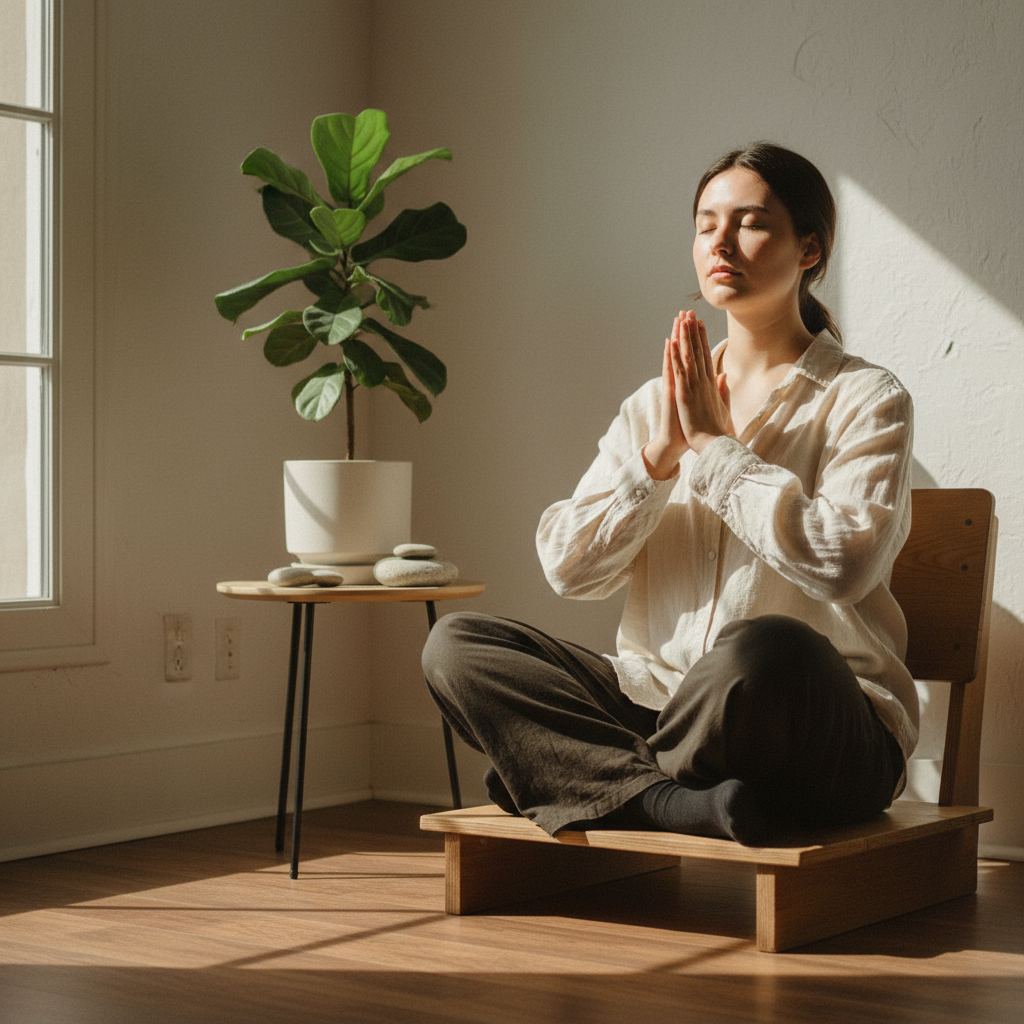
These practices often encourage individuals to reflect on life, find meaning and purpose, and cultivate a sense of peace. This can be particularly beneficial for those dealing with depression or anxiety.
Scientific Perspectives on Spirituality and Mental Health
Research has shown that spirituality can have a positive impact on mental health. Studies suggest that spiritual practices can lead to improved coping mechanisms and resilience. Additionally, spiritual beliefs can influence how people perceive and respond to life's challenges, fostering a more optimistic outlook.
Moreover, spirituality has been linked to lower levels of stress hormones, improved immune function, and overall enhanced mental health. This scientific backing underscores the potential value of integrating spirituality into mental health care.

Integrating Spirituality into Mental Health Care
For those interested in exploring this connection, integrating spirituality into mental health care can be a personalized process. Mental health professionals often encourage patients to explore their spiritual beliefs and practices as part of their treatment plan. This can involve:
- Identifying personal spiritual beliefs and practices.
- Incorporating spiritual practices into daily routines.
- Seeking communities or groups that share similar spiritual values.
By doing so, individuals can enhance their mental health journey in a way that resonates with their personal values and beliefs.
Challenges and Considerations
While the connection between spirituality and mental health is promising, it is essential to approach it thoughtfully. Not all individuals may find spirituality beneficial, and some may need to navigate conflicts between their beliefs and mental health needs. It is crucial to respect individual differences and provide supportive, non-judgmental spaces for exploration.
Ultimately, the goal is to foster a holistic approach to mental health care that acknowledges and respects the diverse paths people may take in their journey towards wellness.